Fixture Installation: Toilets, Faucets, Sinks and Disposals
What each install involves, what to decide before the old fixture comes out, and when a repair makes more sense.
Fixture work covers the parts of the plumbing you see and use every day: toilets, faucets, sinks, showers, tubs, garbage disposals, and the hookups for dishwashers, washing machines and refrigerator water lines. Most installs replace an old fixture in the same spot, so the job stays with the fixture and the connections behind it.
What turns a simple swap into a longer job is usually hidden until the old fixture comes out: a shutoff valve that will not close, a corroded supply line, a cracked toilet flange, a drain that does not line up with a new vanity. Those need fixing before the new fixture goes in, or they become the next repair.
Garbage disposal installs are a regular part of the work, and so are bathroom remodels where fixtures move and need new rough-in pipe behind the walls.
What Each Fixture Installation Involves
Each fixture has its own steps, and a few decisions are worth settling before the old one comes out, since they decide which parts the job needs.
| Fixture | What installation involves | Decisions to make beforehand |
|---|---|---|
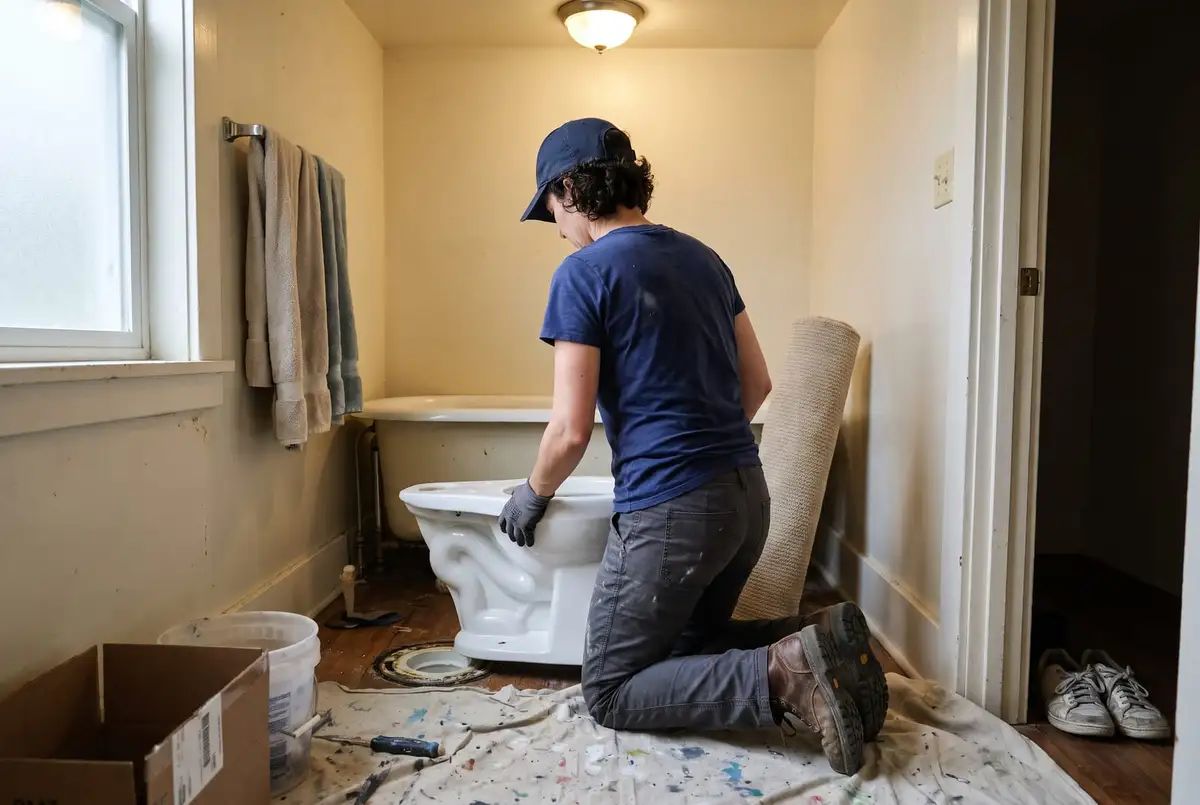
| Toilet | Old toilet out, flange checked and repaired if it is cracked or sits too low, a new wax or foam seal, the bowl set level and bolted down, tank and supply line connected. | The rough-in (wall to the floor bolts: usually 12 inches, sometimes 10 or 14 in older houses), a round or elongated bowl, seat height and flush type. |
| Faucet | Old faucet off, new one mounted, new supply lines to the shutoff valves, and the drain assembly or pop-up fitted to the sink. | The number of holes and their spacing, one handle or two, spout height and reach, and the finish. |
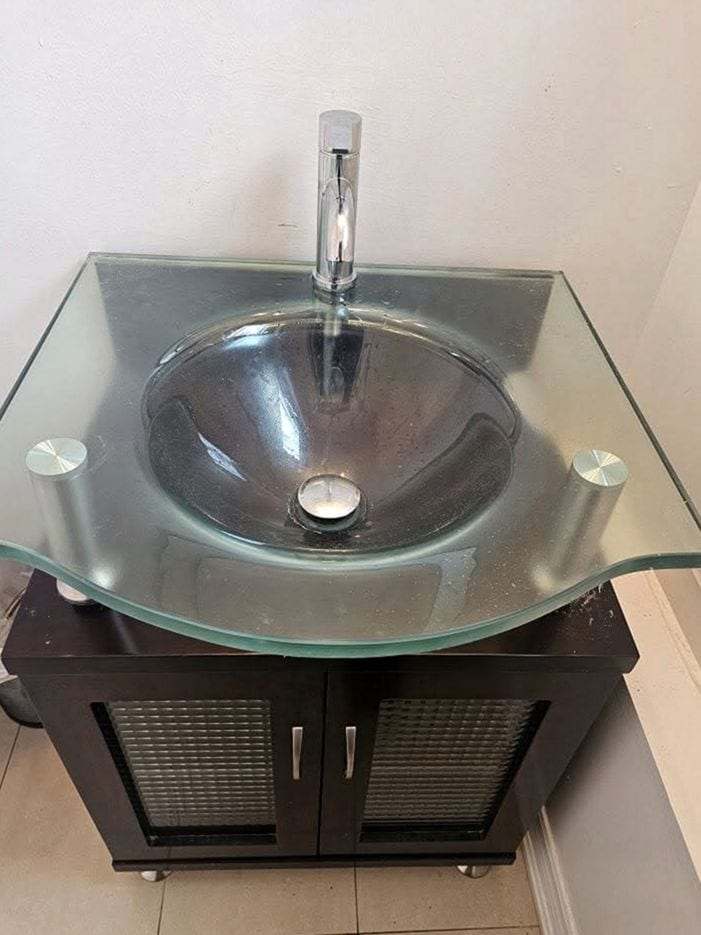
| Sink | Sink set into, under or on top of the counter, faucet and drain fitted, and the trap connected to the drain in the wall. | Drop-in, undermount, vessel or pedestal; a vessel sink sits higher and needs a tall or wall-mounted faucet. |
| Shower | The valve in the wall replaced, with access from the front or from behind, or only the cartridge and trim when the valve body stays; a new showerhead. | Keep the valve and change the trim, or change the valve; pressure-balancing or thermostatic control. |
| Tub | Old tub out (a cast iron tub is often broken up to get it out), the new tub set level on its support, drain and overflow connected, spout and trim fitted. | Size and drain side, the material, and whether the surround or tile comes off with it. |
| Garbage disposal | Mounting ring fitted to the sink, the unit hung and connected to the trap, a dishwasher drain connected where there is one, and the unit connected to the power under the sink. | Motor size, continuous or batch feed, and whether the house drains to a septic tank. |
| Appliance hookups | Supply and drain for a dishwasher, valves and a drain for a washing machine, a water line to a refrigerator’s ice maker. | Where the valve box or drain standpipe goes, and the connection the appliance takes. |
Before a New Fixture Goes In
A few things done ahead keep an install from stalling halfway:
- Clear access under sinks and around the toilet, tub or appliance: empty the cabinet and move what is stored nearby.
- Working shutoff valves: try the valves under the sink and behind the toilet. One that will not turn or will not stop the water is usually replaced first, so mention it when you book.
- The fixture on hand, still boxed with all its parts and instructions, so a missing piece shows up before the old fixture comes out.
- Measurements: the toilet’s rough-in, the faucet holes and their spacing, the vanity or cabinet size, and the space under the sink for a disposal.
When you book, say which fixture is going in, what it replaces and whether you already have it.
Bathroom Remodels That Need New Rough-In
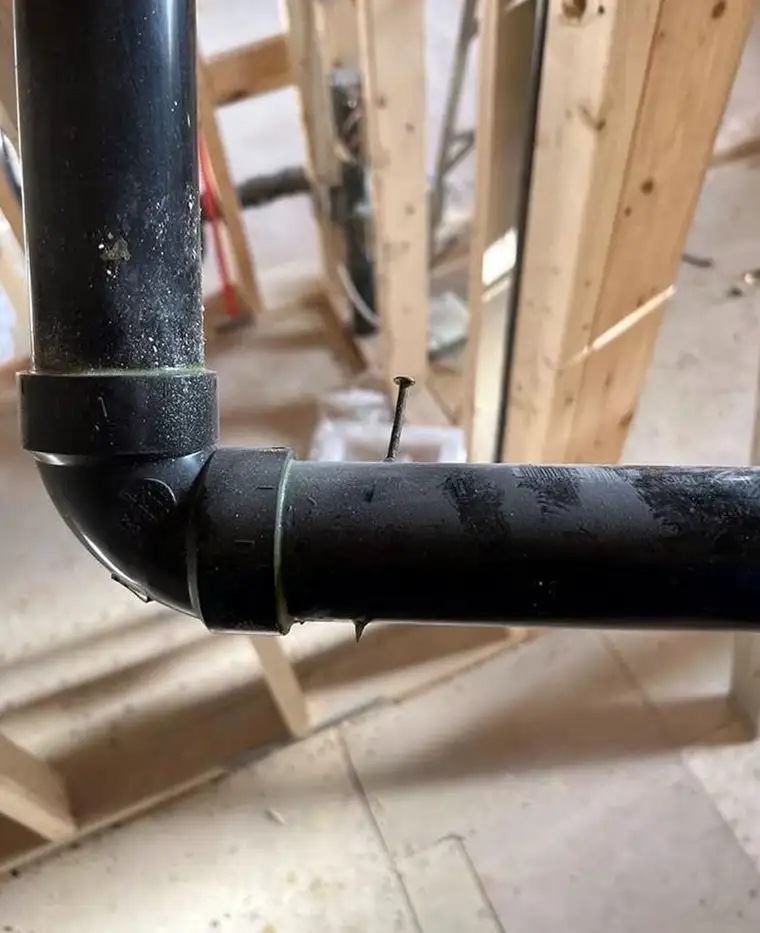
The rough-in is the pipe inside the walls and floor that a fixture connects to: the drain and its vent, and the hot and cold supply lines. A remodel that keeps every fixture where it was can usually keep the rough-in, and only the fixtures change.
Moving a toilet, a vanity or a shower, even a short distance, changes that. The drain has to reach the new spot with the right slope and tie into a vent, which can mean opening the floor, a wall or, in a basement bathroom, the concrete slab. With the walls open, it is also the time to replace old galvanized supply lines or a cracked cast iron section rather than closing them back in.
New rough-in commonly needs a plumbing permit and an inspection while the walls are still open, so it belongs early in the remodel, before drywall and tile.
Standard or Water-Saving Fixtures
Every new toilet, faucet and showerhead sold in the United States meets federal flow limits; water-saving models, usually carrying the EPA’s WaterSense label, use less again. The difference shows most on toilets and showerheads:
Standard Fixtures
Built to the federal maximums: 1.6 gallons per flush for a toilet, 2.5 gallons per minute for a showerhead.
- A stronger push of water down a long or rough drain line
- The widest choice of models and finishes
- More water used on every flush and every shower
Water-Saving Fixtures
WaterSense toilets use 1.28 gallons per flush or less, or a dual flush; WaterSense showerheads use 2.0 gallons per minute or less.
- Less water and sewer use, and less hot water through the shower
- Current models flush well on drains in good condition
- Small spray openings that scale up sooner in hard water
In older houses with long cast iron or clay drain runs, a low-flow toilet can leave waste partway down a line that has scale inside or a weak slope. If the toilet on that line already clogs often, it is worth having the drain line looked at before choosing the lowest-flow model.
Hard Water and Fixture Finishes in Fort Wayne
Northeast Indiana’s water tends to run hard, and its minerals dry into white scale wherever water is left standing on a fixture. That shows up as spots on chrome and glass, crust in aerators and showerhead nozzles, and faucet cartridges that stiffen and start to drip sooner than they would in soft water. Glass vessel sinks and dark matte finishes show spots the most; brushed nickel and stainless steel hide them best. Wiping fixtures dry after use slows the buildup, and a water softener changes it for the whole house.
Running Toilets and Dripping Faucets: Repair or Replace
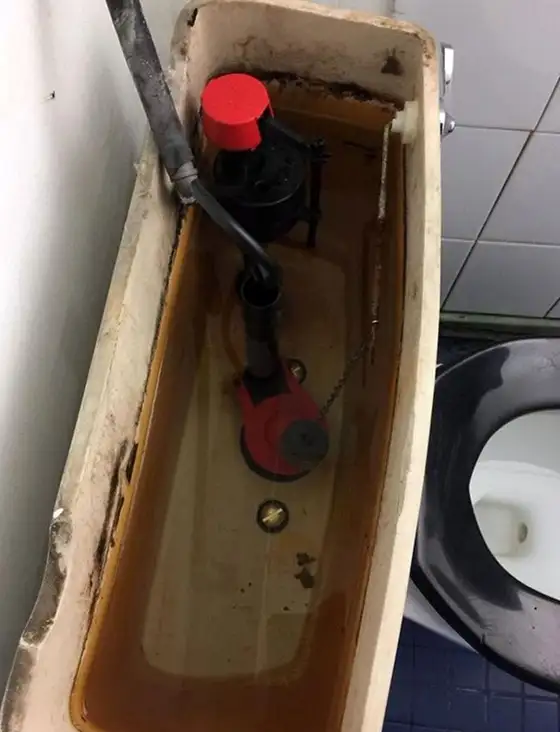
A toilet that runs on its own, or refills now and then when no one has flushed, is leaking past the flapper or overfilling through a worn fill valve. Both parts sit inside the tank. Replacing them means closing the toilet’s shutoff, draining the tank and swapping the parts without taking the toilet up, and a chain and float set at the right height keep the new parts from causing the same trouble.
A dripping faucet is the same kind of repair: a worn cartridge, washer or seat inside the faucet body, replaced with the maker’s part. Whether a repair or a new fixture makes more sense comes down to the condition of the rest of the toilet or faucet.
Should a running toilet be repaired or replaced?
Repaired, in most cases. A toilet that runs usually needs a new flapper, a new fill valve or a chain adjusted so it no longer catches, and all of those are parts inside the tank. Replacement makes sense when the porcelain is cracked, the toilet rocks on a damaged flange, or it is an older model that clogs often and its parts are hard to find.
When is a dripping faucet worth replacing instead of fixing?
When fixing it means chasing parts. A drip usually comes from a worn cartridge, washer or seat, and that is a short repair while the maker still sells the part. A faucet that is corroded, leaks at its base or under the sink as well, or has its finish worn through is usually better replaced.
How can I tell whether a toilet is leaking if I cannot hear it?
Add a few drops of food coloring to the tank and wait about fifteen minutes without flushing. Color showing up in the bowl means water is slipping past the flapper. Flush afterward so the coloring does not stain the bowl.
Is it worth replacing an old toilet that still works?
If it flushes well and does not leak, there is no plumbing reason to. People replace working toilets to use less water per flush, to get a taller seat or as part of a remodel. A toilet made before the federal flow limits uses far more water per flush than any current model.