How We Work on Plumbing Jobs
The stages of a plumbing job from the first look to the final inspection, and the code and permit rules behind them.
A dripping faucet and a new sewer line are very different jobs, but they move through the same stages: find the cause, agree on the work, check what the code asks for, do the work, test it, and have it inspected when the job requires it. Jobs are booked ahead, so each visit starts at a set time with the problem already described.
Stages of a Typical Plumbing Job
-
Diagnosis
The plumber looks for the cause, not only the symptom: which fixtures are affected, where water shows up, what the pipe is made of and how old it is. A slow main drain may call for a camera; a leak is traced to its source before a wall is opened.
-
Scope Explained
You hear what was found, what the repair involves and the options where there is more than one, with the trade-offs of each. Work that means digging, such as a sewer or water line, gets a written estimate before any digging starts.
-
Permit Check
Some work needs a plumbing permit and later an inspection; most small repairs do not. Whether a job needs one is settled before the work starts, since an inspection decides when a wall can be closed or a trench filled.
-
The Work
The water is shut off to the part of the house being worked on, the old pipe, fixture or heater comes out, and the new work goes in to the code that applies at the address.
-
Testing
Much of what matters happens after the repair looks finished. Carlos Martinez expects these checks:
- Water pressure checked before the work and again after it.
- Every fixture on the line run at once.
- Sinks and tubs filled, to watch the drains and traps for slow seepage.
- On new supply lines, a pressure test held before the wall is closed.
- After a main drain is cleared, a camera sent through when the cause is not obvious.
- On water heaters, the temperature setting confirmed and the relief valve tested.
- Last, the joints wiped dry and checked once more for moisture.
-
Inspection When Required
On permitted work, the local inspector checks the job, often while the pipe is still exposed: new pipe in an open wall, or a sewer line in its trench before backfill. The wall is closed or the trench filled once the work passes.
When the job is done, the customer gets a short note on what was found and what was done.
Indiana Plumbing Code and Permits in Fort Wayne and Allen County
Indiana has a statewide plumbing code, and local building departments enforce it through permits and inspections. The code sets the rules plumbing work follows: pipe sizes and materials, drain slope, venting, how a water heater’s relief valve discharges, and how drinking water is protected from backflow.
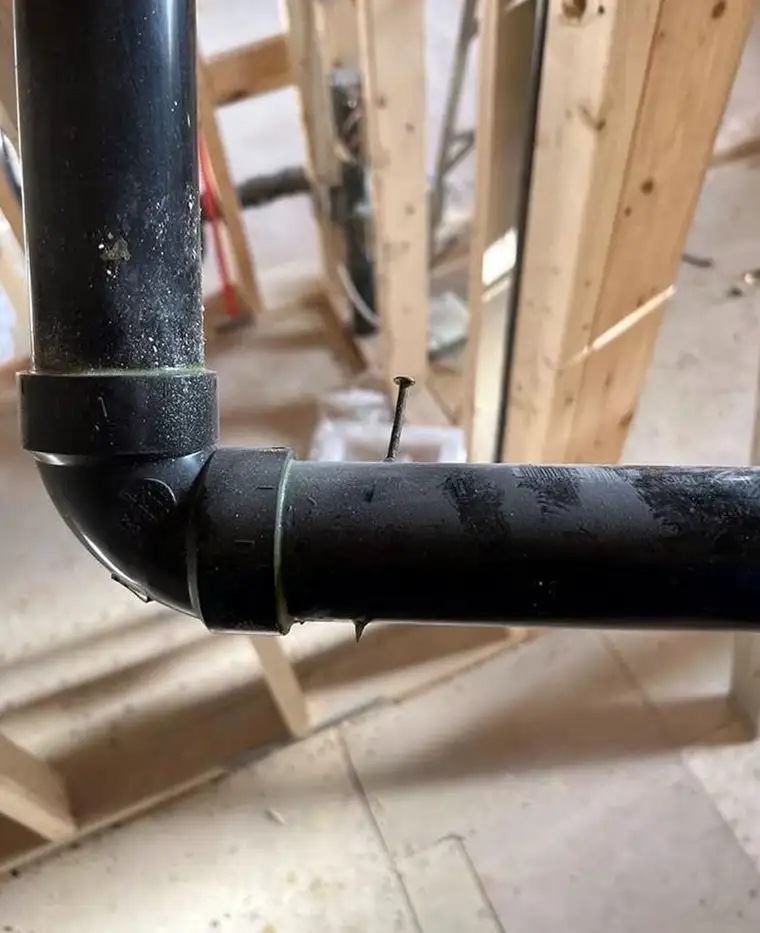
On a remodel or a repiping job, the inspection that matters most often happens with the walls still open: the inspector sees the new drain, vent and supply pipe before drywall covers it. A wall closed before that inspection may have to be opened again.
How the code is applied varies by city, town and county. Some places ask for a permit where others do not, and what an inspector looks at can differ too. For an address in Fort Wayne or elsewhere in Allen County, the building department that covers it has the final word on whether a permit is needed and what the inspection includes.
Which Jobs Usually Need a Permit
Permit rules differ from one place to the next, so take these as the usual pattern rather than the rule for your address.
| Job type | Permit commonly needed | Inspection commonly involved | Verify with |
|---|---|---|---|
| Drain cleaning, small leak repairs and fixture swaps in the same spot | Usually not | Usually none | The local building department, if pipe inside a wall or floor is replaced |
| Water heater replacement | Often, and gas models most of all | Often a final check of the venting, the relief valve discharge and the gas or electrical connection | The local building department |
| Repiping or new rough-in during a remodel | Usually | Often a rough-in inspection with the walls open, sometimes with a pressure test, then a final inspection | The local building department, before the walls are closed |
| Sewer line repair or replacement | Usually, for work in the yard or at the connection | Often the new pipe in the open trench, before backfill | The water and sewer utility, the local building department, and Indiana 811 before digging |
| New water service line | Usually | Often the pipe and its connections before the trench is filled | The water utility, the local building department, and Indiana 811 before digging |
| Sump pump replacement | Usually not, for a like-for-like swap | Usually none | The local building department, if the discharge line is rerouted |
Who Pulls the Permit, and What If an Inspection Fails
Who applies for a plumbing permit, the homeowner or the plumber?
On most jobs that need one, the plumbing contractor applies, since the permit covers the work and the person doing it. Some places let homeowners take out a permit for work on their own house. The building department for the address says which applies.
Does replacing a water heater need a permit?
In many places it does, because the job touches the relief valve and its discharge pipe, the venting on a gas model and the gas or electrical connection. With a permit, an inspector looks at those before the job is finished. The rules vary, so the building department for the address is the one to ask.
What happens if plumbing work does not pass inspection?
The inspector notes what has to change, the work is corrected, and the inspector comes back to check it again. Until it passes, the wall stays open or the trench stays unfilled, which is why the inspection belongs in the schedule from the start.
Can plumbing work done without a permit cause trouble later?
It can. Work that should have had a permit may have to be opened up for inspection, and it can come up when the house is sold. If you find work in your house that never had one, the building department can explain how to bring it into line.
Safety Checks Built Into Plumbing Work
Some parts of plumbing work protect more than the pipes. These are worth knowing about in any house:
- Shutting off water and gas. The water is shut off and drained down before pipe is cut. On a gas water heater, the gas is closed at the appliance’s own valve before it is disconnected, and the connection is checked for leaks once it is back together.
- The temperature and pressure relief valve and its discharge pipe. Every tank water heater needs a working relief valve and a discharge pipe the full size of its outlet, running down to end a short distance above the floor or a drain, open at the end, never capped or threaded.
- Combustion air and venting for gas heaters. A gas water heater needs enough air to burn cleanly and a vent that carries the exhaust outside. A heater shut into a small closet, or a vent pipe that has slipped apart, can spill exhaust into the house.
- Carbon monoxide alarms. A house with a gas water heater, a gas furnace or an attached garage should have working CO alarms near the bedrooms and on every level.
- Backflow protection. Devices that keep dirty water from being drawn back into the drinking water: a vacuum breaker on a hose spigot, an air gap at a dishwasher or softener drain, a backflow preventer on a lawn sprinkler line.
Getting the House Ready for the Work
- A clear path to the work area, and to the main shutoff, the water heater and any cleanout, with stored boxes moved back.
- Room to work: the cabinet under the sink emptied, the space around the toilet or heater cleared, and the car out of the driveway if the sewer line runs beneath it.
- Water set aside for the time the main is off: a jug or two for drinking and a bucket of water for flushing.
- Pets and children kept away from open trenches, cut floors and tools.
- Access for the inspector on permitted work, on the day the inspection is set.
To put a job on the schedule, send a request with what is wrong and where it is, or call.